
Introduction
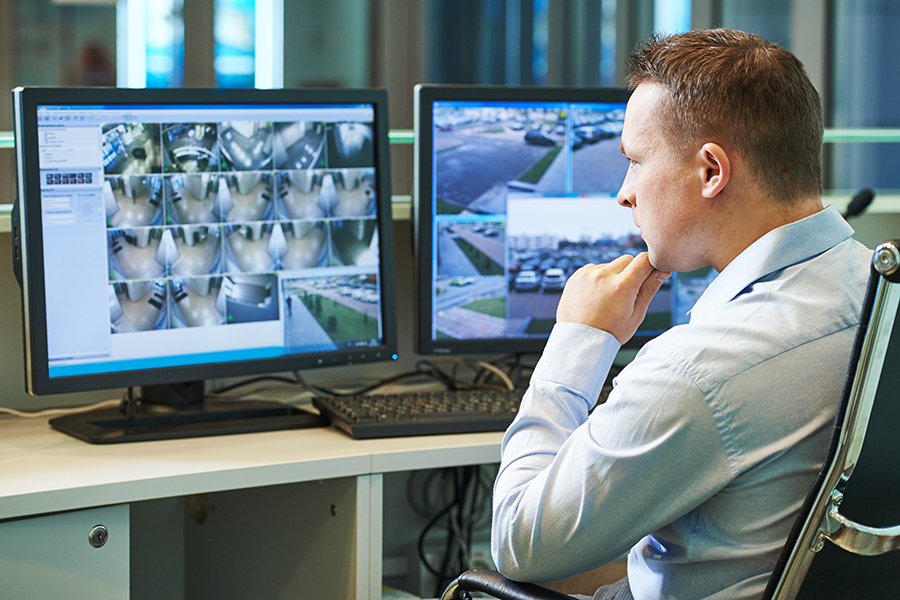
Security monitoring has become an essential part of modern workplace safety strategies, helping organisations create environments where employees, visitors, and assets are better protected. With advancements in surveillance technology, businesses are now able to observe, record and respond to potential risks in real time. This proactive approach not only deters criminal activity but also improves overall workplace organisation, accountability, and emergency response. Whether in offices, warehouses, retail spaces or industrial sites, security monitoring plays a crucial role in supporting safer working conditions and maintaining operational stability.
Reducing the Risk of Workplace Crime
One of the primary benefits of security monitoring is its ability to deter and reduce criminal activity in the workplace. Visible cameras and monitoring systems discourage theft, vandalism, and unauthorised access by increasing the likelihood of detection.
When individuals are aware that their actions are being recorded, they are less likely to engage in inappropriate or illegal behaviour. This creates a safer environment for employees and helps protect valuable business assets. As a result, organisations often experience fewer incidents and improved workplace security overall. CCTV Installers Greater Manchester help businesses improve workplace safety through reliable security monitoring systems.
Improving Employee Safety and Confidence
Security monitoring systems help employees feel safer in their working environment. Knowing that their surroundings are being actively monitored provides reassurance, especially in high-risk industries or isolated work areas.
This sense of safety can improve morale and productivity, as staff are more likely to focus on their tasks without unnecessary concern about personal security. A secure workplace environment also contributes to employee retention and job satisfaction.
Supporting Faster Emergency Response
In emergency situations such as fires, accidents, or security breaches, monitoring systems provide real-time information that can support rapid response efforts. Security personnel can quickly assess situations and take appropriate action.
This immediate visibility allows for quicker communication with emergency services and better coordination during critical incidents. As a result, response times are reduced, potentially limiting damage and ensuring safer outcomes for everyone involved.
Enhancing Access Control and Visitor Management
Security monitoring is often integrated with access control systems to regulate who enters and exits a workplace. This helps ensure that only authorised individuals can access restricted areas.
Visitor movements can also be tracked more effectively, improving accountability and reducing the risk of unauthorised access. These systems help maintain a structured and controlled environment, particularly in sensitive or high-security workplaces.
Providing Valuable Evidence for Investigations
When incidents occur, security monitoring systems provide clear and reliable evidence that can be used for investigations. Recorded footage can help identify individuals involved, clarify events, and support insurance or legal processes.
This evidence is often crucial in resolving disputes or understanding workplace incidents. Having accurate records helps organisations respond fairly and effectively to any security concerns.
Encouraging Employee Accountability
Security monitoring can also improve workplace behaviour by encouraging employees to remain accountable for their actions. When staff are aware that activities are being recorded, they are more likely to follow company policies and procedures.
This accountability helps maintain professionalism and reduces the likelihood of misconduct or unsafe behaviour. A more disciplined working environment contributes to overall workplace safety and efficiency.
Supporting Health and Safety Compliance
Many industries are required to comply with strict health and safety regulations. Security monitoring systems can assist in ensuring that these standards are consistently followed.
Footage can be reviewed to identify unsafe practices, training needs, or potential hazards. This allows employers to take corrective action and improve safety procedures over time. Monitoring therefore plays a supportive role in maintaining compliance and reducing workplace risks.
Enhancing Operational Efficiency
Beyond safety, security monitoring can also improve overall workplace efficiency. By observing workflows and identifying bottlenecks, businesses can optimise processes and improve productivity.
Monitoring systems provide insights into how spaces are used and how employees interact with their environment. These insights can be used to make informed decisions about workplace layout, resource allocation, and operational improvements.
Deterring External Threats and Unauthorised Entry
Security monitoring systems are highly effective in deterring external threats such as trespassing or unauthorised access to business premises. Cameras placed around entry points and perimeters help monitor suspicious activity.
This added layer of protection makes it more difficult for intruders to enter undetected. Combined with alarms and access control systems, monitoring creates a comprehensive security solution that protects both people and property.
Conclusion
Security monitoring plays a vital role in creating safer working environments by reducing crime, improving employee confidence, supporting emergency response, and enhancing overall workplace management. It strengthens access control, provides valuable evidence, encourages accountability and helps organisations maintain health and safety standards. By integrating monitoring systems into daily operations, businesses can build more secure, efficient and well-managed workplaces where both employees and assets are better protected.
Visit Koalageddon for more informative blogs.