
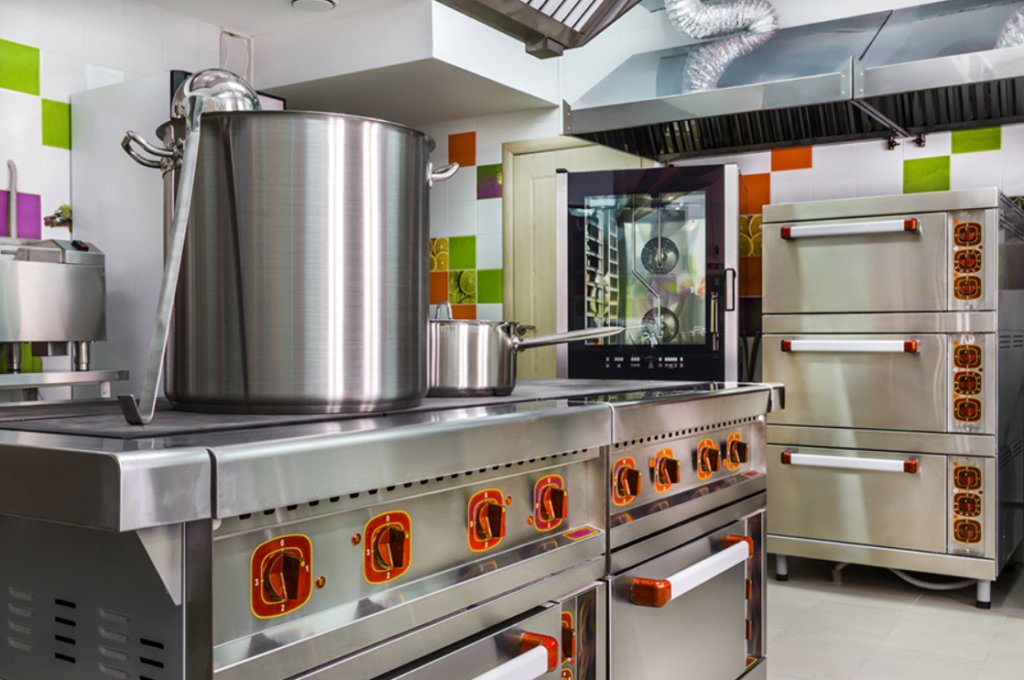
Prepared food’s quality, safety, and presentation are maintained in commercial and home environments in large part by food warming devices. It ensures that meals maintain the optimal serving temperature for extended periods in restaurants, catering services, hotels, and self-service establishments without sacrificing taste or texture. When meals are prepared in advance and served over time, as in fast-paced situations, this is critical. A popular option in these circumstances is a Hot Display Counter which not only keeps food warm but also presents it attractively to guests. Maintaining the correct temperature is crucial for food cleanliness, preventing bacterial growth, and adhering to health and safety regulations, in addition to being convenient. All in all, the food service industry benefits from food warmers because they enhance customer pleasure, decrease waste, and increase productivity.
Adheres to standards for food safety
Food warming appliances are important for keeping food at safe temperatures, which reduces the spread of dangerous germs. Leaving cooked food at room temperature for an extended period of time makes it unfit for consumption and raises the likelihood of contracting foodborne ailments. To guarantee that meals remain above the suggested temperature threshold until served, warming equipment is used. This is especially crucial in catering events, buffets, and commercial kitchens where food is prepared in large quantities. Businesses may adhere to strict hygiene standards and lower health concerns by consistently maintaining food warm. Because customers anticipate safe and properly prepared meals, it also fosters their confidence. To put it briefly, temperature regulation is a crucial element of food safety control in all food service establishments.
Preserves Taste and Texture
Food warming equipment is a major asset because it helps maintain the taste and texture of cooked foods. Food that is allowed to cool before being reheated frequently loses its freshness, dries out, or experiences a change in flavour. Ideal serving conditions are kept for the food by proper warming systems, which maintain a consistent heat level without overcooking it. This is especially crucial for meals like pastries, fried foods, rice, and curries that can quickly deteriorate in quality if not properly preserved. Customers may expect meals that taste as good as when they were first prepared, which increases overall dining pleasure. This is due to the food warming equipment’s ability to keep things constant.
Enhances the way that food is presented
Presentation is crucial for drawing customers, particularly in buffets, hotels, and self-service eateries. Dishes may be kept neat, attractive, and fresh-looking for longer using food heating. Warm illumination and regulated heat settings improve food’s aesthetic appeal and make it more appealing. Customers are more inclined to select meals that appear nicely displayed and maintained. The necessity for regular food tray replacement or rearrangement is also reduced as a result of this. Not only does a well-maintained display enhance customer experience, but it also reflects favourably on the establishment’s professionalism and hygiene standards.
Minimises Food Waste
Warming equipment may help decrease the hospitality sector’s serious problem of food waste. Prepared foods may quickly degrade or become unusable for service without adequate temperature regulation, necessitating unnecessary disposal. Cooked meals may be kept at safe temperatures for longer using food warmers, extending their shelf life. Without making too many fresh batches over and over, this helps businesses serve meals more quickly all day long. Consequently, expenses are lower, and resources are used more sustainably. In addition to minimising food waste, environmental responsibility is becoming more and more crucial for food businesses today.
Increases operational efficiency
Food service and kitchen efficiency are improved by food warming equipment. Food may be cooked ahead of time and safely stored until needed, relieving stress during peak service periods. Better workflow and time management in commercial kitchens are made possible by this. Chefs can concentrate on quality control and preparation rather than constantly cooking. Since food can be offered regularly and without any interruption, it also aids in the smoother execution of major events. Quicker service, less staff stress, and happier customers are the result of efficient operations. This effectiveness is crucial for upholding high standards in demanding situations.
Conclusion
A crucial element of the food service industry, food warming equipment ensures safety, quality, and efficiency at every stage of operation. Its advantages are extensive, ranging from reducing waste and improving presentation to maintaining cleanliness standards. Simplifying operations and raising client happiness, it helps both small and large-scale food enterprises. In the end, instruments such as display cases and heating systems assist companies in offering clients enduring, high-quality food experiences while also increasing profitability and sustainability.
Visit Koalageddon for more informative blogs.