
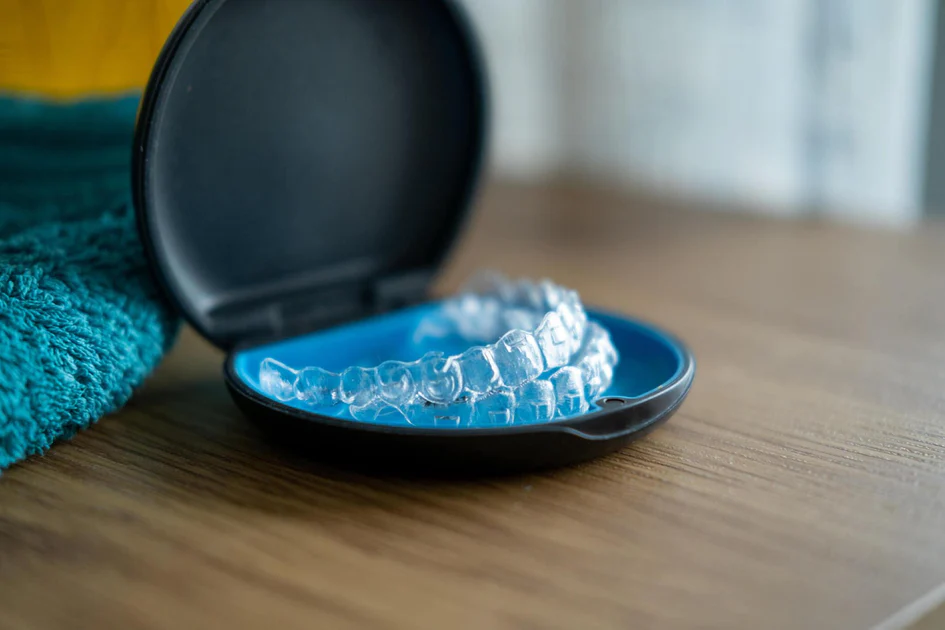
If you are thinking about straightening your teeth, you probably want to know how long it will take. This is one of the most common questions people ask before starting treatment. The good news is that clear aligners work faster than many people think. But the exact time depends on your teeth. Every smile is different. Some people need just a few months. Others may need a year or two. In this blog, we will walk you through everything you need to know. We will look at what affects treatment time, how to stay on track, and what to expect along the way. Whether you are just starting to explore your options or you are already looking into Invisalign Manchester, this guide will help you understand the full journey from start to finish.
What Is the Average Clear Aligner Treatment Time?
Most people complete their clear aligner treatment in 6 to 18 months. This is the average range for adults and teenagers. Some people with very simple cases finish in as little as 3 months. Others with more complex needs may take up to 24 months or longer. The average adult treatment with Invisalign in Manchester takes around 12 to 15 months. For teens, it can be similar but may vary based on how well they follow the plan. Your dentist or orthodontist will give you a more exact estimate after looking at your teeth. They will use scans and X-rays to plan your treatment. This plan shows every step of the movement. It gives you a clear idea of how long your journey will be. Keep in mind this is just an estimate. Real results can shift slightly based on how your teeth respond.
How Does Case Complexity Affect Treatment Length?
Not all teeth are the same. Some are only slightly out of place. Others are crowded, rotated, or have big gaps. The more complex your case is, the longer your treatment will usually take. A dentist will assess your bite, spacing, and how much movement is needed. If your case is simple, the aligners only need to make small shifts. If it is complex, the aligners need to do a lot more work. This takes more trays and more time. Complexity is one of the biggest factors that affect your orthodontic treatment timeline. Your dentist will explain your case complexity at your first consultation. They will look at things like crowding, spacing, and bite issues. The more movement your teeth need, the more aligner stages you will go through.
How Long Do Mild Alignment Issues Take to Correct?
Mild cases are the quickest to treat. If you have a small gap or one or two slightly crooked teeth, your treatment may be done in 3 to 6 months. Some people see full results in as little as 10 to 12 weeks. These cases need fewer aligner trays. The teeth do not need to move very far. The process is simple and quick. If you are thinking about teeth straightening in Manchester for a minor issue, you could be done before the year is even halfway through. Many providers offer short-term aligner options for mild cases. These are sometimes called lite or express treatments. They are designed for people who only need small changes. If you qualify, this is one of the fastest ways to improve your smile.
Why Do Moderate Cases Need More Time?
Moderate cases are more common than people think. This includes things like moderate crowding, noticeable gaps, or a slightly uneven bite. These cases usually take between 12 and 18 months to correct. The teeth need to move further and in more directions. More aligner trays are needed to achieve the right result. Your dentist may also use small attachments. These are tiny tooth-coloured bumps bonded to your teeth. They help the aligners grip your teeth better and move them more precisely. This adds to the effectiveness but also to the overall treatment time. With moderate cases, patience is key. The results are worth it. Your smile will look and feel dramatically better once treatment is complete. Regular check-ups will keep things on track throughout the process.
How Long Can Severe Alignment Problems Take?
Severe alignment problems take the longest to fix. This includes serious crowding, large gaps, deep bites, underbites, or crossbites. Treatment for these cases can take 18 to 36 months or even longer. In some very severe cases, clear aligners may need to be combined with other treatments. This could include jaw expanders or even surgery in extreme situations. Your dentist will tell you upfront if your case falls into this category. Severe cases require more trays, more check-ins, and more patience. But the results can be life-changing. Not only will your teeth look better, but your bite and overall oral health can improve too. The key is to stick to the plan and follow your dentist’s guidance every step of the way.
Does Wearing Aligners as Directed Speed Up Results?
Yes, absolutely. This is one of the most important things to understand about clear aligner treatment. You must wear your aligners for 20 to 22 hours every day. This is not optional. The aligners only work when they are in your mouth. If you wear them for fewer hours, your teeth will not move as planned. This can slow down your treatment or even cause it to go off track. Think of it this way. The aligners are doing their job while you wear them. When they are out, nothing is happening. Every hour you skip is time lost. Many people ask why their treatment is taking longer than expected. Often, the answer is that they have not been wearing their aligners enough. Stick to the recommended wear time and you will stay on schedule.
How Often Are Aligner Trays Changed?
Most people change their aligner trays every 1 to 2 weeks. Your dentist will tell you exactly how often to change yours. Some people move to a new tray every week. Others stay on each tray for two weeks. It depends on your treatment plan and how quickly your teeth are moving. Each new tray is slightly different from the last one. It pushes your teeth a little further towards the goal. Over time, all these small movements add up to a big change. Changing your trays on the right schedule is important. If you change them too early, your teeth may not be ready. If you wait too long, your treatment will take longer. Follow your dentist’s instructions carefully. They know what works best for your specific plan.
Can Missed Wear Time Delay Treatment?
Yes, missed wear time is one of the top reasons treatments get delayed. Life gets busy. People take aligners out for social events, sports, or because they feel uncomfortable. But every time you take them out for too long, you are setting yourself back. If you miss enough hours over several weeks, your teeth may drift. This means your next tray may not fit properly. Your dentist may need to go back a step or order new trays. This adds weeks or even months to your treatment. To avoid delays, make a habit of wearing your aligners as soon as you wake up. Only take them out to eat, drink anything other than water, and brush your teeth. Keep a timer or reminder on your phone if it helps. Small habits make a big difference.
How Do Regular Check-Ups Impact Progress?
Check-ups are a vital part of your treatment. They usually happen every 6 to 8 weeks. During these visits, your dentist checks how your teeth are moving. They make sure everything is going according to plan. They also look at how well your aligners are fitting. If something is off, they can catch it early and fix it before it becomes a bigger problem. Skipping check-ups is never a good idea. You might think your teeth look fine and feel tempted to miss an appointment. But your dentist can see things you cannot. Regular monitoring keeps your treatment on time. It also gives you a chance to ask questions and get support. Many dentists offering Invisalign in Manchester use digital scans at check-ups to track your progress with great accuracy.
Does Age Affect Clear Aligner Treatment Duration?
Yes, age can play a role. Younger people often have more flexible jawbones. This means teeth can move a little more easily and sometimes faster. Teenagers may respond well to treatment, but they also need to be disciplined about wearing their aligners. Adults can absolutely use clear aligners successfully. Millions of adults have done it. The movement may take slightly longer in older adults because the bone is denser. But the difference is not huge. Most adults see great results within the standard treatment timeframe. If you are an adult in your 30s, 40s, or beyond, do not let age put you off. Clear aligner treatment works at any age. Your dentist will tailor the plan to suit your specific situation, whether you are 18 or 58.
What Factors Can Extend Treatment Time?
Several things can make treatment take longer. Not wearing aligners enough is the biggest one. But there are others too. Losing or damaging a tray adds delays while a replacement is made. Missing dental appointments means problems go unnoticed. Teeth that respond more slowly than expected can also extend the timeline. In some cases, bone density or gum health can affect how quickly teeth move. If you have gum disease or other dental issues, these need to be treated first. Starting treatment with healthy teeth and gums is always better. Other factors include not changing your trays on time and not following your dentist’s advice. The best way to avoid delays is to be a committed patient. Show up to appointments, wear your aligners, and follow the plan.
Can Refinement Aligners Add Extra Months?
Yes, refinement aligners are a normal part of many treatment plans. After your main course of aligners is done, your dentist may assess your teeth and find that some final adjustments are needed. This is very common. Refinements are a new set of trays made to fine-tune the results. They usually add a few weeks to a few months to the overall treatment time. Do not be alarmed if your dentist recommends them. It does not mean something went wrong. It just means your dentist is making sure you get the best possible result. Refinements are included in many treatment packages. If you are unsure whether your package covers them, ask your dentist before you begin. Knowing this upfront helps you plan your timeline more accurately.
How Can Patients Stay on Schedule?
Staying on schedule comes down to good habits. Wear your aligners for the required hours every day. Change your trays on time. Keep all your dental appointments. Store your aligners safely when not in use. Clean them regularly to keep them hygienic. If a tray cracks or feels wrong, contact your dentist straight away. Keep spare cases on hand so you are never caught without somewhere safe to put your aligners. Set reminders on your phone for tray changes and appointments. Write your schedule down if it helps. Talk to your dentist if you have any concerns at all. They want your treatment to succeed just as much as you do. The patients who stay on track are the ones who get the best results in the shortest amount of time.
What Are the Signs Treatment Is Progressing Well?
There are a few positive signs to look out for. Your aligners should fit snugly when you first put in a new tray. After a few days, they start to feel more comfortable. This shows your teeth are moving as planned. You may also notice that old trays feel loose when you switch. This is normal and a sign of progress. Your dentist will confirm progress at each check-up. They will check that your teeth match the expected position on your digital treatment plan. You might also notice subtle changes in your smile over time. Photos can be a great way to track this. Take one at the start of each new tray stage. Looking back after a few months, the difference can be really encouraging and motivating to keep going.
When Will You Start Seeing Visible Results?
Many people start to notice visible changes within the first 2 to 3 months of treatment. The front teeth often shift first because they require less force to move. You may notice gaps closing or crooked teeth starting to align. By the halfway point of your treatment, the change can be quite significant. Most people feel a real boost of confidence around this time. The motivation this brings helps them stay committed. Keep in mind that some changes happen deep in the bite and are not visible right away. Your dentist will reassure you that things are moving even if you cannot see dramatic results straight away. Trust the process and trust your dental team. Clear aligners are designed to give you a beautiful smile. Be patient and the results will come.
What Happens After Clear Aligner Treatment Ends?
Once your active treatment is finished, the next step is retention. This is crucial. Your teeth have been moved into new positions. Without support, they can slowly drift back. Your dentist will give you retainers to wear after treatment. These are usually worn every night. Some people need to wear them all day for the first few months. Retainers keep your smile looking its best for the long term. They are a small commitment compared to the full treatment. Think of them as protection for your investment. Your dentist will advise you on exactly how long to wear them. Many people wear their retainers indefinitely at night. This is the safest approach. A beautiful smile is for life, not just for the duration of treatment. Keep wearing your retainer and your results will last.