
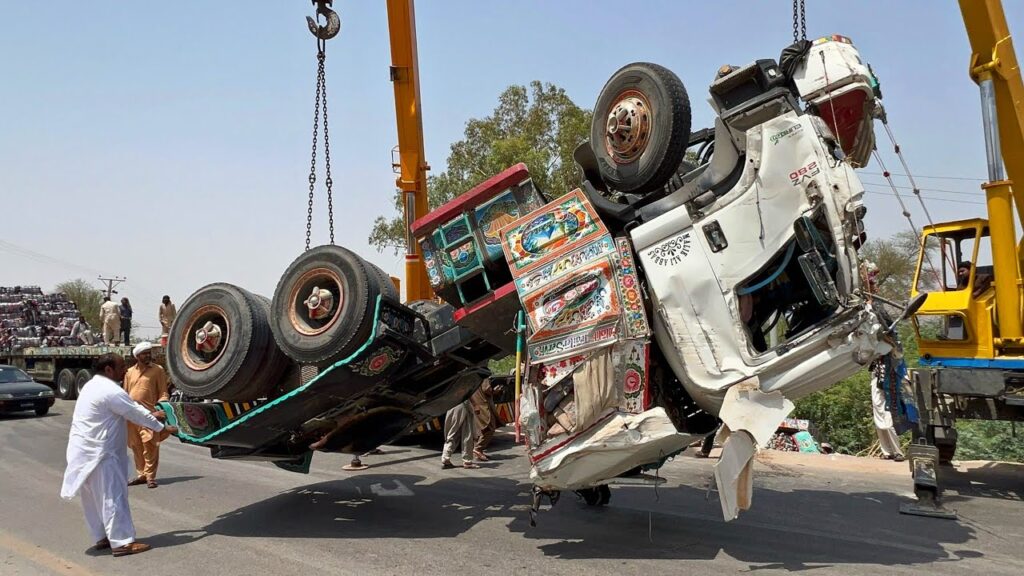
The heart of the car is the engine. Everything else operates better as well if it runs without a hitch. If problems are neglected, though, engine damage may grow very costly very fast. Many drivers concentrate on obvious problems including dents or scratches, particularly following crashes needing vehicle Crash Repairs. But the actual long-term problem typically lies beneath the hood. Most engine issues are happily avoidable. Regular upkeep, cautious driving techniques, and early notice of warning signals will help you to avoid significant repairs and breakdowns.
Change your engine oil frequently
Engine oil cools and lubricates every moving component. Oil loses its efficacy as time goes on and gets filthy. That causes more friction and quick wear of engine components. Stick to the advised oil change plan of your manufacturer. For many cars, this ranges from 5,000 to 10,000 kilometres based on the oil type and driving circumstances. Furthermore, I often examine oil levels. A short period of low oil can result in major engine damage. One of the least expensive methods to preserve your engine is a basic oil change.
Make the Cooling System in good condition
Running your engine creates a lot of heat. The radiator, coolant, and hoses are all part of the cooling system, and all work to stop overheating. If it breaks, engine parts could bend or crack. Regularly check coolant levels and top them off as necessary. Following the service plan, change the coolant and check the hose for leaks or damage. Look for red flags including increasing temperature gauges, steam, or leaks of coolant. Preventing overheating is absolutely vital as extreme heat may swiftly ruin an engine.
Change Air Filters Promptly
For good combustion, the engine needs fresh air. An obstructed air filter limits airflow and makes the engine work harder. This strains engine components, lowers performance, and raises fuel usage. During normal maintenance, inspect the air filter and replace it when it gets clogged. Filters may need to be changed more regularly in dusty surroundings. Clean airflow prolongs your engine and guarantees effective operation.
Note Warning Lights
Modern cars are made to alert you when something is off. Never disregard dashboard warning lights especially the check engine light, oil pressure light, or temperature warning. Many times these lights show themselves before a problem gets serious. Early issue detection helps to stop minor errors from growing into significant engine damage. A warning light should not be disregarded even if the car still drives typically. A fast response might protect your engine as well as your cash.
Stay away from aggressive driving practices
Your driving style directly affects the condition of your engine. Engine parts are under additional strain from fast acceleration, aggressive braking, and high-speed driving. Constant aggressive driving might cause overheating, too much wear, and a reduction in engine life. Drive carefully and keep the engine free of pointless strain. Let the engine warm up a little before driving in really chilly conditions. Good driving techniques raise fuel economy and help your engine last longer.
Use Premium Fuels and Liquids
Bad fuel can build up in the engine and lower performance. Use the fuel grade your vehicle maker advises. Good fuel keeps the engine and fuel system in top shape. The same holds for various fluids including brake fluid, transmission fluid, and coolant. Using the right liquids guarantees that everything is well-lubricated, cooled, and generally performs well. Good-quality fluids are a little investment that will help you avoid later costly repairs.
Replace recommended timing belts and chains
Internal parts of the engine are kept in sync by the timing belt or chain. If it breaks, pistons and valves could clash and cause major engine damage. For the advised replacement interval, consult your owner’s handbook. Timing belts usually need replacing between 60,000 and 100,000 kilometres; chains could last longer but still need checking. Ignoring this upkeep item might cause disastrous engine failure. Timely replacement is significantly less expensive than repairing an engine.
Set Recurring Expert Inspections
Early detection of problems is ensured by routine checks. Before they get severe, a skilled mechanic can find leaks, worn parts, strange noises, and performance problems. Regular maintenance also helps to make sure that every engine-related system is operating properly. Visit a repair shop without waiting for a breakdown. Preventive maintenance is always more cost-effective and easier than unexpected repairs. Years of consistent performance can be obtained from a well-kept engine.
Conclusion
Mostly about consistency and awareness, preventing engine damage is mostly about that. Frequent oil changes, correct cooling system maintenance, fresh filters, and prompt fixes might significantly improve things. Combine professional inspections and careful driving behaviour to significantly lower the chance of major engine issues. Every day your engine works. Your car will stay reliable, fuel-efficient, and given the attention it requires.